PROTECT
Challenge
▼Protected areas — vital watersheds, climate mitigators, and sources of scientific discovery — are under siege from professional, armed poaching gangs. These criminals raid national parks and wildlife sanctuaries with surgical precision, capturing rare and endangered species that weaken entire ecosystems.
Furthermore, wild animals removed from their natural environment may carry pathogens for which people have no immune response. Yet most protected areas are secured by low-paid, ill-equipped, poorly trained ranger staff.
Solution
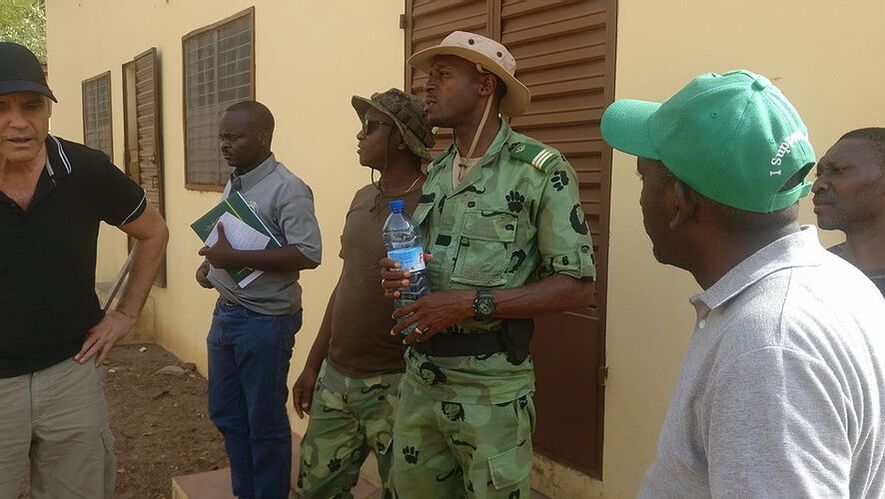
▼PROTECT is a comprehensive training program for rangers and protected area managers. It improves the security of natural areas, wildlife, and local communities through enhanced training, equipment support, and better patrolling — leading to less poaching and illegal logging across Southeast Asia and Africa.
Action
▼Reduce poaching incidents across 10 countries. Train and equip 4,000+ rangers in protected area security. Strengthen frontline defense of critical wildlife habitats.
10 countries across Southeast Asia and Africa. 2 PROTECT trainings conducted annually. Multiple protected areas per country.
Armed poaching gangs pose physical risk to rangers — mitigated by tactical training and equipment support. Remote terrain and limited infrastructure reduce patrol coverage during monsoon seasons. placeholder
Outcome
▼Stabilization and increases in targeted wildlife populations and tree species observed. Reduction in successful poaching incidents across trained protected areas. Rangers report improved patrol effectiveness and confidence. placeholder
Impact
▼Asian elephant, Indochinese tiger, Sunda pangolin, Siamese crocodile placeholder
No other comprehensive ranger training program covers all 10 target countries simultaneously. PROTECT is the only program providing tactical training coupled with equipment support and community engagement at this scale. placeholder
"Enforcement must be coupled with local community engagement — including alternative livelihoods — to build a strong sustainable buffer around protected areas. This ensures rangers are not fighting an uphill or lone battle. They will have allies."
Risk
▼Potential displacement of poaching activity to adjacent unprotected areas — mitigated by regional intelligence sharing and cross-border coordination. placeholder
Audit file available. Ranger training numbers independently verified by Freeland. placeholder
No carbon credit overlap. Wildlife population data sourced from partner protected area authorities. placeholder